


Proper hay storage is crucial in maintaining its quality, preventing spoilage, and keeping the animals supplied with quality feed throughout the year. Among the most effective ways of protecting hay is by using quality hay tarps. The proper selection of hay cover tarps can significantly differ in terms of durability, weather resistance, and affordability. In this post, we will guide you through the most important factors when selecting hay tarps for your farm.
1. Study the Material
In fact, hay tarps are typically polyethylene, vinyl, or reinforced material. Heavy-duty hay tarps would typically be reinforced polyethylene with UV inhibitors, tear-resistant, mildew-resistant, and sun-resistant. In the case of hay cover tarps, think about the environment and storage. For the regions where it will rain heavily or snow, use a tarp that has waterproof and UV-resistant material so your hay will stay covered all year.
2. Size and Coverage
The right size tarp is essential when it comes to covering the hay. Measure your hay stacks, bales, or round hay stacks so that the tarp hangs over the top and sides entirely. The wrong tarp size may leave some part of the hay vulnerable to moisture and insects, thus decreasing its quality. Hay tarps are available in different sizes, thus the importance of selecting one that will complement the storage capacity of your farm. Heavy-duty hay tarps are especially suitable for large quantities of hay, providing safe covering without sagging and tearing as a result of harsh weather conditions.
3. Weight and Strength
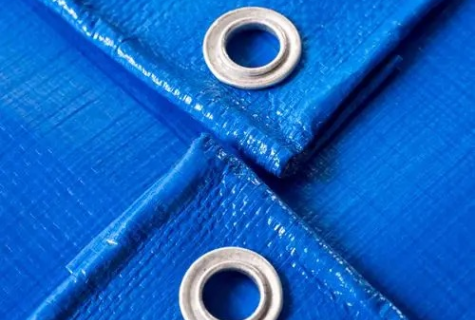
Durability is most likely the biggest concern when buying hay tarps. Heavy-duty tarps will withstand inclement weather and multiple uses. Reinforced seams, metal grommets, and double-stitching are extra features that keep the tarp from tearing. Lightweight tarps will be lighter to handle but less suitable for reuse. Proper investment in heavy-duty hay cover tarps will ensure that your hay is well covered season after season.
4. Ease of Use
A tarp that is difficult to install and uninstall will be time-consuming and frustrating. Select tarps with grommets, tie-downs, or elasticized edges for ease of use. Ventilated models that provide airflow while keeping out rain to prevent mold development are available in some hay tarps. A tarp that offers protection and convenience will give your farm time and labor savings.
5. Longevity vs. Cost
It is simple to select the lowest-priced hay tarps available, but think about long-term value. Heavy-duty hay tarps are more expensive, but will last longer and provide better weather, pest, and UV damage protection. Quality hay cover tarps are an investment since they lessen the chances of rotten hay and save money in the long term.
6. Weather Factors
Local weather will play a determining role. In windy areas, use heavy-duty grommets and reinforced hems on hay tarps so that they won’t blow away. In snowy areas, use a heavier-duty tarp so that it can withstand snowfall weight. UV, water, and mildew-resistant hay tarps will protect your feed from any kind of weather.
Conclusion
Selecting the optimal hay tarps for your farm needs careful consideration of material, size, strength, and convenience. Hay cover tarps and heavy-duty hay tarps are a critical component in maintaining the integrity of your feed by protecting it from weather, pests, and spoilage. By putting money into high-quality tarps that are designed to suit your farm’s specific requirements, you can ensure that your hay is nutritionally good and safe, which is a relief and saves you money in the long term.
With these tips in mind, farmers are making the wisest choice when they purchase hay tarps, receiving the best in coverage and efficiency. The right hay tarp selection is an investment in your herd’s well-being and your farm’s prosperity.
