When choosing a hay tarp, buyers often focus on fabric thickness, waterproof performance, and overall size. However, one important detail that should not be overlooked is edge reinforcement. The edges of a tarp experience repeated pulling, tension, and friction during installation, removal, and daily use. If these areas are not properly constructed, the tarp may become damaged even when the main fabric remains in good condition.
For farms that cover large hay stacks or use tarps across multiple storage areas, reinforced edges can make a practical difference in handling, fastening, and long-term usability.
Tarp Edges Experience More Stress During Use
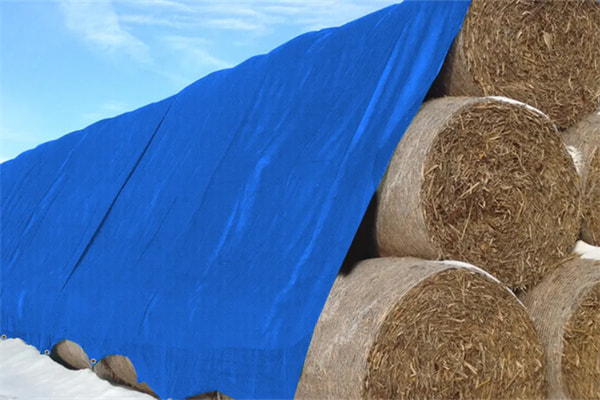
The edges of a hay tarp are often exposed to greater mechanical stress than the central fabric area. When farmers pull a tarp over a hay stack, secure it with ropes, or adjust its position in windy conditions, tension is transferred to the outer edges and fastening points.
Repeated pulling can gradually weaken poorly finished edges. Small tears may develop around attachment areas, especially when the tarp is handled frequently or subjected to uneven tension.
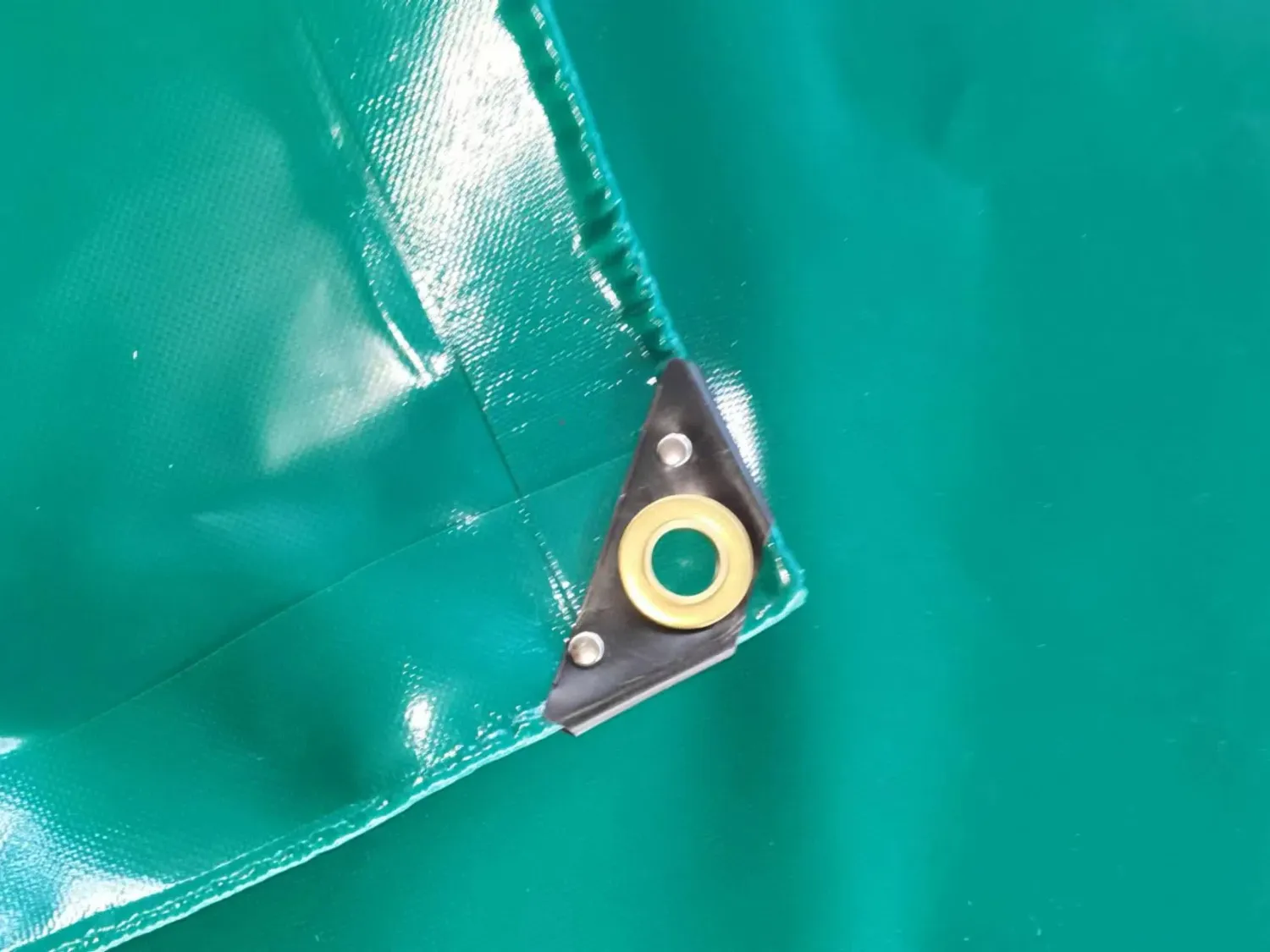
A heavy duty hay tarp should therefore have edge construction designed to handle regular farm use. Reinforced hems or additional fabric layers can help distribute pulling forces across a wider area instead of concentrating stress on a narrow strip of material.
Reinforced Hems Help Improve Edge Durability
A hem is the folded and finished section along the edge of a tarp. Its construction affects how well the edge handles repeated handling and tension.
A reinforced hem may include folded fabric, additional material, or stronger joining methods, depending on the product design. These features help provide a more stable edge and reduce the chance of damage caused by repeated pulling.
For buyers comparing commercial hay tarps, it is worth checking:
- Whether the edges have reinforced hems
- Whether the reinforcement is consistent along the tarp
- Whether the seams are securely finished
- Whether the edge construction matches the intended fastening method
A well-finished edge does not make a tarp impossible to damage, but it can improve its ability to withstand normal handling and repeated use.
Grommet Placement Matters as Much as Edge Strength
Grommets are commonly used to provide attachment points for ropes, hooks, or other fastening accessories. However, strong grommets alone are not enough. Their placement and the surrounding fabric construction also matter.
If grommets are installed too close to an unfinished edge, or if the surrounding material is not sufficiently reinforced, pulling forces may cause the fabric to stretch or tear around the holes.
When evaluating a reinforced hay tarp, buyers should consider:
- Grommet spacing along the edges
- The strength of the surrounding reinforced area
- Whether the grommets are suitable for the planned ropes or fasteners
- Whether fastening points allow tension to be distributed evenly
Properly positioned grommets can make a tarp easier to secure and adjust. They also help farmers avoid placing excessive pressure on just a few attachment points.
Edge Reinforcement Supports Easier Installation and Handling
A hay tarp may need to be moved, folded, unfolded, and repositioned several times throughout the storage season. On larger farms, workers may handle multiple tarps during loading, covering, and maintenance.
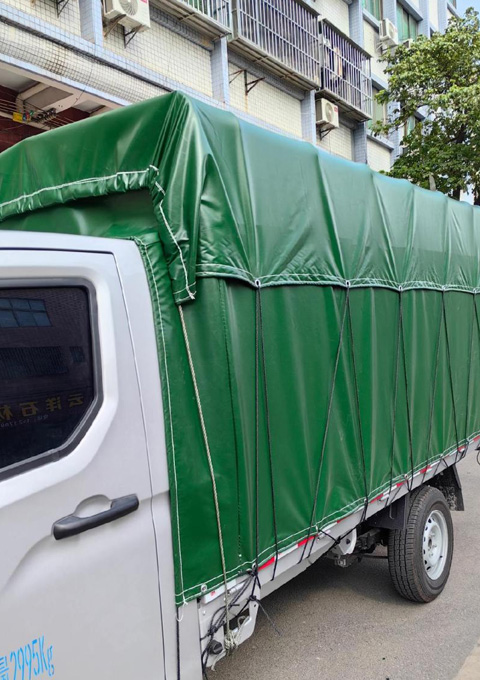
A tarp with stable, reinforced edges is generally easier to grip and position. It can also provide more reliable areas for fastening ropes or straps. This is especially useful when covering large hay stacks or using custom hay tarps designed for specific storage layouts.
Buyers should also consider the tarp’s overall weight and handling requirements. Reinforcement should improve edge performance without making the product unnecessarily difficult to move or install.
What Should Buyers Check Before Ordering Hay Tarps in Bulk?
For farms, distributors, and agricultural suppliers purchasing bulk hay tarps, checking edge construction before placing an order can help reduce product selection risks.
Before choosing a hay tarp manufacturer, ask about the following details:
- Material and fabric construction: Check the fabric type, thickness, and coating to understand whether the tarp is suitable for the intended storage environment.
- Edge finishing: Confirm whether the product uses reinforced hems, additional edge layers, or other strengthening methods.
- Grommets and fastening options: Ask about grommet material, spacing, and compatibility with common ropes or straps.
- Customization: If standard sizes do not fit your hay storage layout, ask whether custom hay tarp sizes and reinforcement options are available.
- Production consistency: For repeat orders, consistent fabric quality, edge finishing, and grommet placement are important.
Working with an experienced hay tarp supplier can help buyers compare these details before committing to a large order. Feicheng Tongfa provides tarpaulin products for different agricultural and industrial applications, helping customers select suitable tarp solutions according to their coverage and purchasing requirements.
Conclusion
Edge reinforcement is an important factor when choosing a hay tarp because the edges handle much of the pulling, fastening, and movement during everyday use. Reinforced hems, suitable grommet placement, and secure edge finishing can improve handling and help reduce damage caused by repeated tension.
Whether you are purchasing a single agricultural hay tarp or sourcing commercial hay tarps in bulk, do not evaluate the product by fabric thickness alone. Check how the edges are constructed and whether the reinforcement matches your storage and fastening needs. A well-designed tarp is not just about covering hay; it is also about making installation, handling, and repeated use more practical.
FAQs
1. Do all hay tarps need reinforced edges?
Reinforced edges are particularly useful for tarps that are frequently installed, removed, or secured under tension. The required reinforcement depends on the tarp size, usage frequency, and fastening method.
2. Are more grommets always better for a hay tarp?
Not necessarily. Grommet spacing should match the tarp design and fastening requirements. Too few attachment points may concentrate tension, while placement and surrounding fabric strength are also important.
3. Can I order custom hay tarps with reinforced edges?
Many tarpaulin manufacturers offer customization options, depending on their production capabilities. Buyers can ask about custom dimensions, reinforced hems, and grommet arrangements when requesting a quotation.