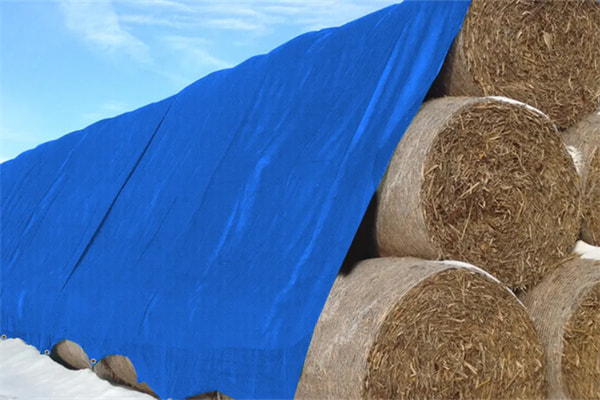
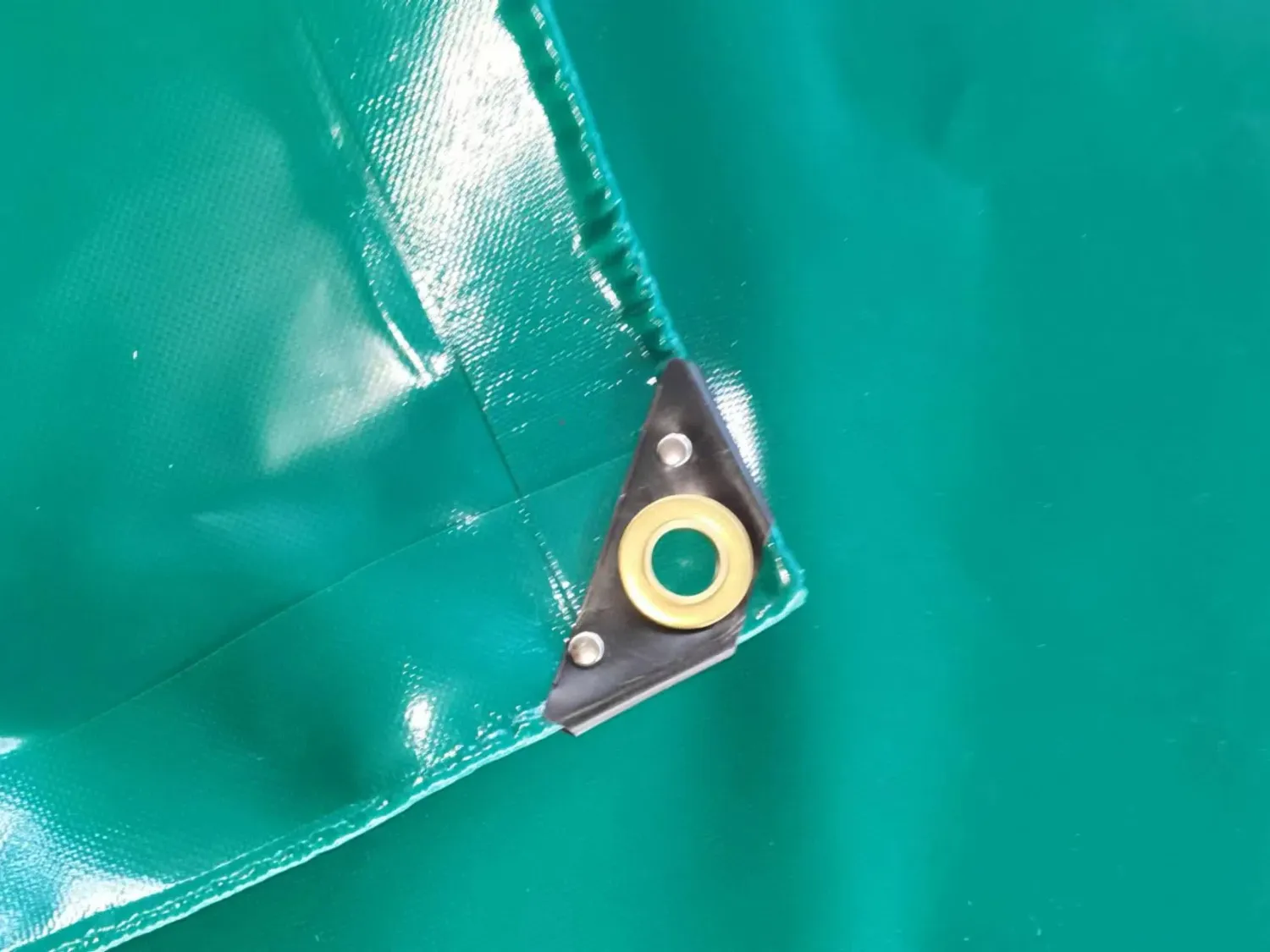
Heavy duty PVC tarpaulin is widely used for truck covers, storage shelters, agricultural protection, and industrial applications. In many of these situations, the tarp is not installed permanently. Workers may need to fold, unfold, move, and reposition it regularly.
Frequent handling can put pressure on the fabric, especially around fold lines, seams, and fastening areas. Over time, unsuitable materials or poor handling practices may lead to coating cracks, surface wear, or fabric damage.
So, can heavy duty PVC tarpaulin withstand repeated folding and unfolding? The answer depends on its material construction, coating flexibility, manufacturing quality, and how it is used and maintained.
Fabric Construction Determines Folding Performance
The base fabric is one of the most important factors affecting how PVC tarpaulin performs during repeated folding.
Most PVC coated tarpaulins use a woven polyester base fabric covered with PVC coating. The polyester fabric provides structural strength, while the PVC layer helps protect the material and provides water resistance.
A suitable fabric construction needs to balance strength and flexibility. If the base fabric is not appropriate for the intended application, repeated bending may gradually weaken certain areas.
When choosing heavy duty PVC tarp fabric, buyers should pay attention to:
- Polyester base fabric strength
- Fabric density and weight
- PVC coating quality
- Overall flexibility
- Intended frequency of handling
A well-matched fabric structure can help the tarp maintain its usability during regular folding and unfolding.
PVC Coating Flexibility Helps Reduce Folding Damage
PVC coating plays an important role in the performance of heavy duty PVC tarpaulin. It provides a protective surface, but its flexibility also affects how the material responds to bending.
When a tarp is folded repeatedly, the coating along the fold lines experiences repeated stress. If the coating is too rigid for the operating conditions, small cracks may gradually appear. This can affect the surface condition and reduce the tarp’s protective performance.
Buyers should consider whether the PVC coating is suitable for the expected working temperature and folding frequency. A flexible coating formulation can help the material handle normal bending more effectively.
For outdoor applications, temperature changes should also be considered. PVC material may become less flexible in cold conditions, so folding a tarp in very low temperatures requires extra care.
Fold Lines and Seams Need Special Attention
Not every part of a tarp experiences the same level of stress. Areas along repeated fold lines, welded seams, hems, and reinforced edges may experience more pressure than other sections.
If a tarp is always folded along exactly the same line, that area may experience concentrated stress over time. Repeated bending can also affect seams and joints, particularly when the tarp is folded tightly or handled roughly.
To reduce unnecessary damage, users should:
- Avoid creating sharp folds whenever possible
- Change folding directions when the tarp design allows
- Avoid pulling the tarp forcefully by its edges
- Check seams and hems regularly
- Keep the tarp away from sharp objects during handling
These practices help reduce concentrated stress and support more consistent tarp performance.
Proper Folding and Storage Can Extend Usable Life
Even a heavy duty PVC tarpaulin requires proper handling. Incorrect folding and storage can shorten its usable life, regardless of material quality.
Before folding, users should remove dirt, mud, and other materials from the surface. If the tarp is wet, it should be dried appropriately before long-term storage to reduce the risk of moisture-related problems.
For better storage results:
- Fold the tarp loosely: Avoid forcing the material into extremely tight folds, especially in cold weather.
- Choose a clean storage area: Keep the tarp away from sharp tools, rough surfaces, and chemicals that may damage the PVC coating.
- Avoid excessive pressure: Do not place heavy objects on folded tarpaulins for long periods.
- Inspect before reuse: Check the surface, seams, hems, and grommets before installing the tarp again.
These simple steps can help maintain the condition of reusable PVC tarpaulins across different working seasons.
What Should Buyers Check When Purchasing Heavy Duty PVC Tarpaulin?
For businesses purchasing PVC tarpaulin in bulk, folding performance should be considered alongside waterproofing, tensile strength, and overall durability.
Before placing an order, buyers should review several product details:
- Material specifications: Check the polyester base fabric, weight, and PVC coating.
- Flexibility: Ask whether the material is suitable for repeated handling and the expected temperature range.
- Coating quality: Look for consistent coating and a smooth, uniform surface.
- Seam construction: Check the welding or joining process used to connect different fabric sections.
- Customization: Confirm whether the manufacturer can provide the required dimensions, thickness, colors, and finishing options.
Working with an experienced PVC tarpaulin manufacturer can help buyers select products according to their actual applications.
Feicheng Tongfa supplies tarpaulin products for transportation, agriculture, storage, and other industrial applications. Buyers looking for a heavy duty PVC tarpaulin supplier can discuss their required fabric specifications, product dimensions, and usage conditions to find a suitable solution.
Conclusion
Heavy duty PVC tarpaulin can handle frequent folding and unfolding when its fabric structure, PVC coating, and manufacturing quality are suitable for the intended application. However, repeated bending still places stress on the coating, seams, and fold lines.
Choosing flexible PVC coated fabric, using proper folding methods, and storing the tarp correctly can help maintain its performance over time.
For buyers, the best approach is to evaluate more than just fabric weight or thickness. Material flexibility, coating quality, seam construction, and actual handling requirements should all be considered when selecting a durable PVC tarpaulin for repeated use.
FAQs
1. Does frequent folding damage PVC tarpaulin?
Frequent folding may gradually affect the coating and fabric, especially when the tarp is folded tightly along the same lines. Suitable materials and proper handling can help reduce unnecessary damage.
2. Can heavy duty PVC tarpaulin be folded in cold weather?
It depends on the material formulation and temperature conditions. PVC can become less flexible in cold environments, so users should avoid sharp folds and handle the tarp carefully.
3. How should PVC tarpaulin be stored after use?
Clean the surface, allow wet material to dry, fold it without excessive pressure, and store it in a clean, dry place away from sharp objects and damaging chemicals.