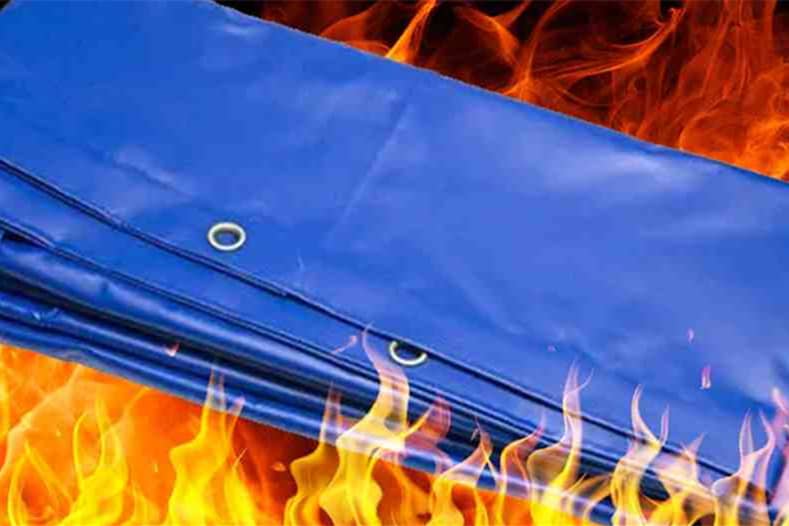
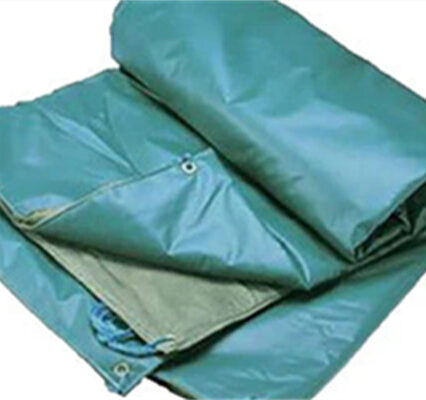

During the most crucial period in aerospace engineering, performance, dependability, and efficiency are all that count. Aramid fibers are now among the most valued high-technology materials for producing airplanes and spacecraft. Due to their highest strength-to-weight ratio and endurance against the most extreme temperature ranges, aramid fiber material and aramid fiber fabric are the pillars of modern aerospace technology.
One of the largest manufacturers of this kind is Feicheng Tongfa Tarpaulin Factory, a firm that produces high-strength aramid fiber fabric with diverse uses for industrial and aerospace applications.
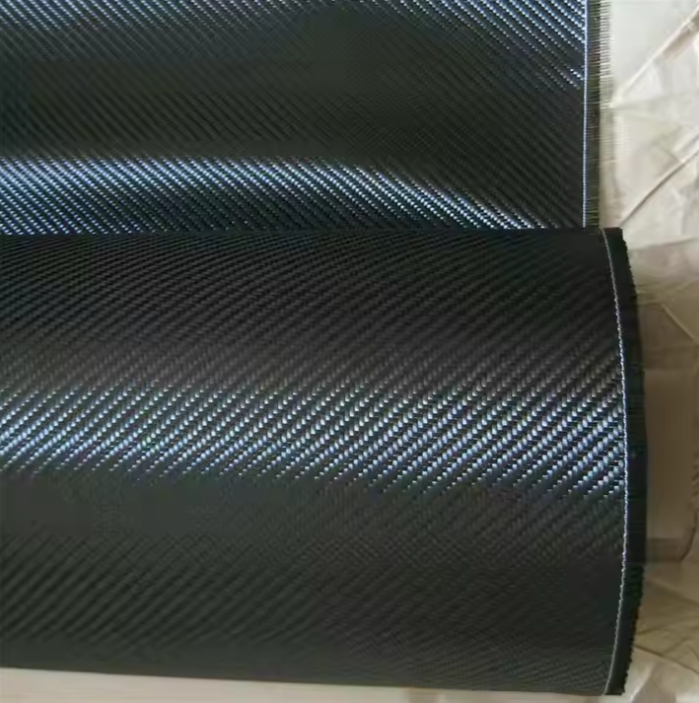
What are Aramid Fibers?
The Science of Aramid Fiber Material
Aramid fibers are synthetic fibers that manufacturers produce from aromatic polyamide molecules, giving them superior strength and heat resistance. Initially developed in the 1960s, researchers conceived this breakthrough aramid fiber material to function in environments where metals and other composites would perish.
When woven into aramid fiber fabric, these fibers yield lightweight, high-strength materials that are impact, abrasion, and heat resistant—suitable for aerospace, defense, and automotive engineering.
Principal Aerospace Applications of Aramid Fiber Fabric
1. Structural Lightweight Reinforcement
Structural reinforcement will probably be the most significant aerospace application of aramid fiber fabric. Aramid composites are utilized to maintain weight savings in the fuselage, wing panels, and control surfaces of airplanes, hence reducing aircraft overall weight, leading to fuel conservation and improved energy efficiency.
By replacing metal parts with aramid fiber material, it is possible for engineers to create things extremely strong without sacrificing flexibility and resiliency under tension.
2. Thermal and Acoustic Insulation
Aramid fibers are also used in aerospace insulation applications. Due to their high flame resistance and low thermal conductivity, they are ideal for use within aircraft, engine compartments, and firewalls. Aramid fiber material neither drips nor melts on being heated, thereby offering invaluable protection from fire to individuals and equipment.
3. Safety and Protection Equipment
The safety of pilots, crew, and passengers is among the top concerns in the aviation industry. Aramid fiber cloth finds wide usage in producing fire-resistant seats, cargo covers, and protective equipment. These products distribute the energy of impact while being flexible—providing comfort and protection in the event of an emergency.

Advantages of Aramid Fiber Material for Aerospace Applications
Aramid fibers offer several performance advantages that render them a top choice in modern aerospace engineering:
- Strong-to-weight ratio: As strong as steel but lighter.
- Thermal stability: Offers structural stability against extreme temperature exposure.
- Chemical resistance: Hydraulic fluid, oil, and aviation fuel resistant.
- Fatigue resistance: Good cyclic load performance with minimal maintenance costs.
- Durability: Extended service life with minimal performance degradation.
These qualities place aramid fiber fabric and aramid fiber material well to serve a valuable function in forward-looking aerospace uses where performance, safety, and sustainability are of top concern.
Feicheng Tongfa Tarpaulin Factory: Aramid Fiber Fabric Professional Supplier
Feicheng Tongfa Tarpaulin Factory, a seasoned industrial fabric manufacturer, is a professional high-quality aramid fiber fabric manufacturer for aerospace, military, and protective uses.
The following are the performances that the aramid fiber material manufactured by the company possesses:
- Stable tensile strength and normal weaving
- Fire and heat resistance with good performance
- Guaranteed regular quality of products by advanced production technology
Through continuous innovation and strict quality inspection, Feicheng Tongfa Tarpaulin Factory provides material that meets international aerospace specifications, enabling manufacturers worldwide to create safer and more efficient aircraft.
Conclusion
Aramid fiber usage in the aerospace industry is a forever union of strength, safety, and greenness. From the light-weight designs to fire-resistant protective systems, aramid fiber material and aramid fiber fabric play a vital role in designing aircraft performance and passenger safety.
As a leading manufacturer, Feicheng Tongfa Tarpaulin Factory consistently exceeds the boundaries of material technology—driving the aerospace industry towards a lighter, stronger, and greener future.