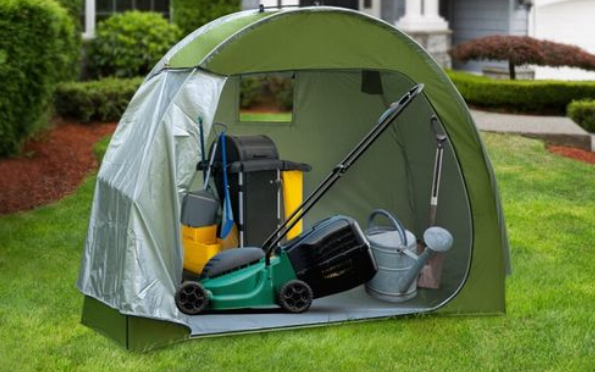
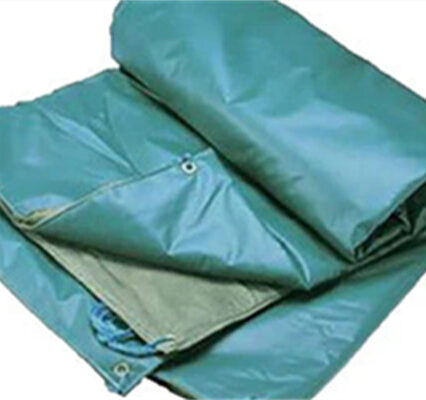

A good rain shelter can keep people, equipment, and outdoor work spaces dry despite inclement weather. Whether camping, running an event outdoors, or simply covering tools on the job, the right rain proof tarp can make all the difference between keeping dry and dealing with costly damage. With so many materials, sizes, and designs to choose from, it can be pretty overwhelming to choose what is right for you. The following guide will explain what to look for in a comparison of tarps for rain shelter and how to select the best tarp shelter for rain, according to your needs.
1. What makes a tarp truly rain-proof?
Not all tarps are designed to deal with heavy rain. A high-quality waterproof tarp should possess high water resistance; it should not let even a drop of water pass through it, no matter how incessant the rains are. The most crucial factors that determine water resistance include:
Material:
Polyethylene tarps are generally considered the most reliable for protection against rain. Their design includes a woven inner core that is lined with waterproof layers to provide a tough barrier against water. Vinyl tarps have even higher waterproof ratings and are good options for industrial spaces, along with long-term applications outdoors.
Coating & Lamination:
Through various layers of polyethylene or PVC, waterproof integrity is maintained. You should look out for tarps described as “triple-laminated” or “heavy-duty coated” when you want maximum protection from rain.
Sealed Seams:
Even the strongest material is rendered ineffective if there is water leakage through the seams. Good-quality tarps have a construction with heat-sealed seams and reinforced edges so that during torrential weather conditions, water doesn’t leak out. With all these features, you will get a truly effective rain proof tarp to hold up against unpredictable conditions.
2. Why You Should Use Tarps for Rain Shelter
Tarp rain shelters represent a very practical, inexpensive means of creating many types of dry, protected areas under a variety of environmental conditions.
Versatility
Their uses range from makeshift camping shelters, machinery covers, covering firewood stacks, and creating outdoor work areas to also shielding livestock in agricultural applications. The flexibility in use provides value in this multi-use tool.
Portability
Unlike metallic or wooden shelters, tarpaulins are lightweight and foldable. This is what makes them easy to carry and install, especially for campers or contractors who want quicker solutions.
Cost-Effectiveness
While building a permanent structure involves money, tarping for a rain shelter provides instant protection, albeit at much lower cost. High-quality tarps can serve for years when maintenance practices are performed accordingly.
Quick Setup
With just a few ropes, poles, or anything to attach it to, an emergency shelter or quickly changing weather can turn a tarp into a full working shelter within minutes.
These advantages make tarps the primary go-to choice for anyone looking to stay dry outdoors without investing in heavy infrastructure.
3. Choosing the Best Rain Tarp Shelter: Factors to Consider
Choosing the best tarp shelter for rain requires more than just reaching and picking the thickest tarp available. Here are the most important considerations:
a. Size and Coverage Area
Determine how much area you will need to cover. For camping, a 10×10 ft or 12×16 ft tarp would suffice. For more substantial work areas or equipment protection, larger tarps such as 20×30 ft or even as large as 30×40 ft provide greater coverage.
b. Thickness and Durability
The thickness of the tarp is taken into consideration in mils. Opt for at least 10–14 mil thickness for heavy rainfall or long-term outdoor exposure. Industrial-grade tarps can be anything between 18 to 24 mils, providing extra strength and durability.
c. Grommet Strength
Reinforced grommets make the work of securing the tarp easier, and the tarp will not tear in windy or wet conditions. For maximum stability, look for rust-resistant metal grommets spaced every 18–24 inches.
d. Form and Design
Rectangular tarps allow for a number of pitching possibilities, while the hexagonal and square designs provide more aerodynamic shelters for camping. The best tarp shelter for rain would be one that has several tie-down points, which will give it greater stability.
e. UV and mold resistance
Even a rain-focused tarp should have UV protection to prevent breakdown in sunlight. Resistance to mold is also very important for long-term outdoor use to reduce mildew buildup after multiple exposures to moisture.
4. Popular Uses for Rain-Proof Tarps
A rain-proof tarp is useful in many applications:
- Camping & Hiking: Create a dry cooking area, Emergency Cover, or Tent Extension.
- Backyard gatherings: Protect guests from sudden showers during outdoor events.
- Construction sites: Tools, lumber, machinery, or temporary work zones might be covered.
- Agriculture: animal feed, hay, tractors, and pens for holding animals.
- Home protection: Keep firewood, furniture, or garden equipment dry.
Because tarps for rain shelter are so versatile, they become dependable and long-lasting investments in one’s personal or professional life.
5. Final Tips for Getting the Most Out of Your Tarp Shelter
To extend the life of your tarp and ensure it remains the best tarp shelter for rain, here’s how to go about it:
- Store it dry to avoid mold growth.
- Clean off mud or debris after use.
- Avoid sharp edges or abrasive surfaces that may puncture the tarp.
- Regularly inspect grommets and seams for wear.
- Retighten tie-downs during prolonged rain events.
A waterproof tarp represents the simplest, most effective tool for keeping outdoor weather at bay. Understanding material, design, and durability factors will keep you confident in choosing the best tarp shelter for protecting you, your equipment, and your outdoor spaces from whatever the weather throws at you.