
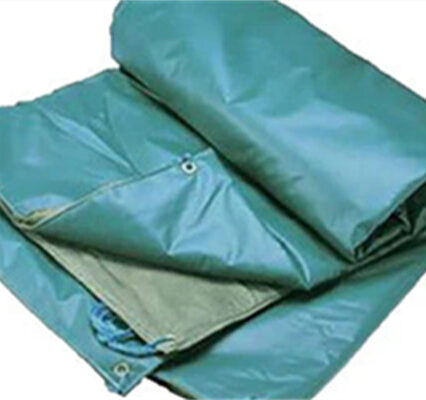
Winter transportation and outdoor storage can create serious challenges for equipment, materials, vehicles, and temperature-sensitive goods. Low temperatures, frost, snow, wind, and moisture can all affect the condition of items stored or transported outdoors. Choosing the right covering solution can help reduce exposure to these conditions.
An insulated tarp is designed to provide an additional layer of protection compared with a standard tarp. Depending on its construction and application, it can help reduce heat transfer and protect covered items from cold weather, wind, frost, and moisture.
However, simply placing an insulated tarp over an item is not enough. Proper installation, sizing, fastening, and maintenance are important for achieving reliable winter protection. This guide explains how to use an insulated tarp in winter and what buyers should consider when selecting one.
What Is an Insulated Tarp?
An insulated tarp is a multi-layer protective cover designed to provide weather protection while also offering thermal insulation.
Unlike a standard waterproof tarp, an insulated tarp for winter may contain an insulating layer between protective outer materials. This construction can help slow down heat transfer between the covered area and the surrounding environment.
Depending on the design, insulated tarps can be used for:
- Outdoor equipment
- Machinery
- Vehicles
- Construction materials
- Agricultural products
- Temporary storage areas
- Transportation applications
For businesses operating during cold seasons, a heavy duty insulated tarp can provide an additional layer of protection against harsh outdoor conditions.
Choose the Correct Size
The first step is selecting an insulated tarp that is large enough for the item or cargo being covered.
A tarp that is too small may leave exposed areas, while an oversized tarp can create unnecessary folds and make secure installation more difficult.
Before purchasing an insulated tarp for outdoor winter protection, measure the length, width, and height of the item or load.
For trucks and large equipment, custom dimensions may provide better coverage than standard sizes.
A professional insulated tarp manufacturer can produce customized dimensions according to different applications.
Cover the Load Correctly
Before installing the tarp, make sure the surface is reasonably clean and free from sharp edges that could damage the material.
Place the tarp evenly over the equipment, cargo, or structure. Avoid creating large gaps where cold air, rain, or snow can easily enter.
For transportation applications, the tarp should cover the load securely without interfering with vehicle operation.
A winter insulated tarp for truck cover can be particularly useful when cargo needs additional protection during cold-weather transportation.
Secure the Tarp Against Wind
Strong winter winds can move or damage poorly secured covers.
Use suitable ropes, straps, buckles, or other fastening systems to keep the tarp in position. Reinforced grommets and edges can help distribute tension more effectively.
A heavy duty insulated tarp with reinforced attachment points is useful for applications where the cover needs to withstand repeated exposure to wind.
Do not rely only on the weight of the tarp to keep it in place.
Protect Against Snow and Moisture
Snow and moisture can create additional problems during winter storage.
A waterproof outer layer can help prevent rain, melting snow, and moisture from reaching the covered material.
When using an insulated waterproof tarp, check the tarp regularly after heavy snowfall or rainfall. Remove excessive snow where appropriate and make sure water is not accumulating on top of the cover.
Proper drainage and installation are important for maintaining effective protection.
Use Insulated Tarps for Transportation
Winter transportation requires special attention because trucks and cargo can remain exposed to low temperatures for many hours.
An insulated truck tarp can provide an additional protective layer around cargo. It may help reduce the speed at which heat is lost and provide protection from wind and moisture.
For temperature-sensitive applications, buyers should understand that an insulated tarp is not automatically a substitute for active heating or refrigerated equipment. Its effectiveness depends on the insulation material, tarp construction, environmental conditions, and duration of exposure.
For general winter cargo protection, however, an insulated tarp can be a practical addition to a transportation system.
Inspect the Tarp Regularly
Winter weather can be demanding on outdoor covers.
Before and during use, check for:
- Tears
- Loose grommets
- Damaged seams
- Worn edges
- Water accumulation
- Loose fastening points
Small problems should be addressed early before they become larger failures.
After winter use, clean and completely dry the tarp before folding and storing it. Proper maintenance can extend the service life of a reusable insulated outdoor tarp.
Choosing the Right Insulated Tarp
When buying an insulated tarp, consider the following factors:
Material
Look for materials suitable for outdoor winter conditions and the intended application.
Insulation
Different products use different insulation structures. Select a design based on the required level of thermal protection.
Waterproofing
For outdoor use, a waterproof outer layer can provide valuable protection against snow and rain.
Size
Choose dimensions that provide complete coverage without excessive loose material.
Reinforcement
Strong seams, corners, and grommets can improve durability during installation and windy conditions.
Customization
For specialized applications, custom insulated tarps can be manufactured according to specific dimensions and performance requirements.
Why Choose Feicheng Tongfa?
Feicheng Tongfa is a professional tarpaulin manufacturer providing covering solutions for transportation, agriculture, construction, storage, and industrial applications.
For customers searching for a reliable insulated tarp factory, Feicheng Tongfa can provide customized tarp solutions based on different project requirements.
The company supports:
- Factory-direct supply
- Custom sizes
- Different material specifications
- Reinforced designs
- Wholesale orders
- Bulk purchasing
- OEM requirements
Whether customers need an insulated tarp for winter transportation, outdoor equipment protection, or large-scale commercial applications, Feicheng Tongfa can provide suitable tarpaulin solutions based on the intended use.
Conclusion
Using an insulated tarp correctly in winter requires more than simply covering an item. Proper sizing, installation, fastening, moisture management, and regular inspection all contribute to better protection.
A quality insulated tarp for winter can help reduce heat transfer and protect equipment, cargo, and materials from cold temperatures, wind, snow, and moisture. For transportation and outdoor storage, it can provide an additional layer of protection alongside other appropriate winter measures.
For businesses purchasing insulated tarps in larger quantities, working with an experienced manufacturer such as Feicheng Tongfa provides access to customized products, factory-direct supply, wholesale services, and bulk-order solutions.
By choosing the right material and using the tarp properly, businesses can improve winter protection and extend the useful life of their equipment and stored materials.
FAQ
1. Can an insulated tarp keep equipment warm in winter?
An insulated tarp can help reduce heat transfer and provide an additional layer of protection against cold, wind, and moisture. Its actual thermal performance depends on the insulation material, construction, and environmental conditions.
2. Can insulated tarps be used for truck transportation?
Yes. Insulated truck tarps can be used as an additional protective layer for certain cargo during cold-weather transportation. However, temperature-sensitive goods may require specialized heating or refrigerated equipment.
3. Can Feicheng Tongfa customize insulated tarps?
Yes. Feicheng Tongfa can provide customized tarpaulin solutions based on requirements such as size, material, reinforcement, application, and packaging, with support for wholesale and bulk orders.