
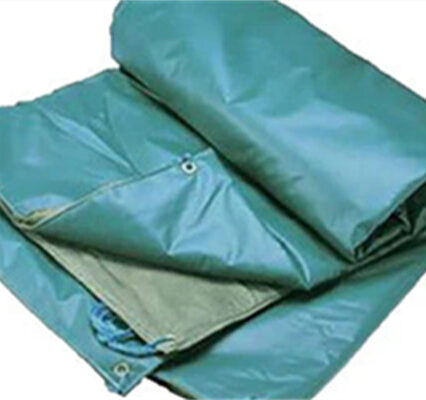

Cold-weather transportation creates serious challenges for logistics companies, manufacturers, and freight operators. Freezing temperatures, snow, icy winds, and moisture can all compromise cargo safety and increase operational risks. Without proper protection, goods may suffer damage, delays, or costly losses. One of the most effective solutions for winter transport is the use of insulated tarps.
At Feicheng Tongfa, we manufacture high-performance tarps designed specifically to meet the demands of cold-weather transportation, helping businesses protect cargo, improve safety, and control costs.
Protect Cargo from Freezing and Temperature Fluctuations
Many types of cargo are sensitive to low temperatures. Chemicals, agricultural products, construction materials, and industrial equipment can crack, freeze, or lose performance when exposed to extreme cold. Sudden temperature changes during transportation can also cause internal condensation, leading to moisture damage.
Insulated tarps provide a thermal barrier that slows heat loss and helps maintain a more stable temperature around the cargo. Compared to standard tarps, insulated solutions offer significantly better protection in winter conditions, especially during long-distance or overnight transport.
By reducing exposure to freezing air and cold winds, insulated tarps help ensure cargo arrives in good condition, even in harsh climates.
Maintain Cargo Quality and Reduce Financial Losses
Cold-weather damage often leads to rejected shipments, customer complaints, and replacement costs. Moisture penetration and condensation can be particularly harmful to sensitive goods, packaging, and machinery.
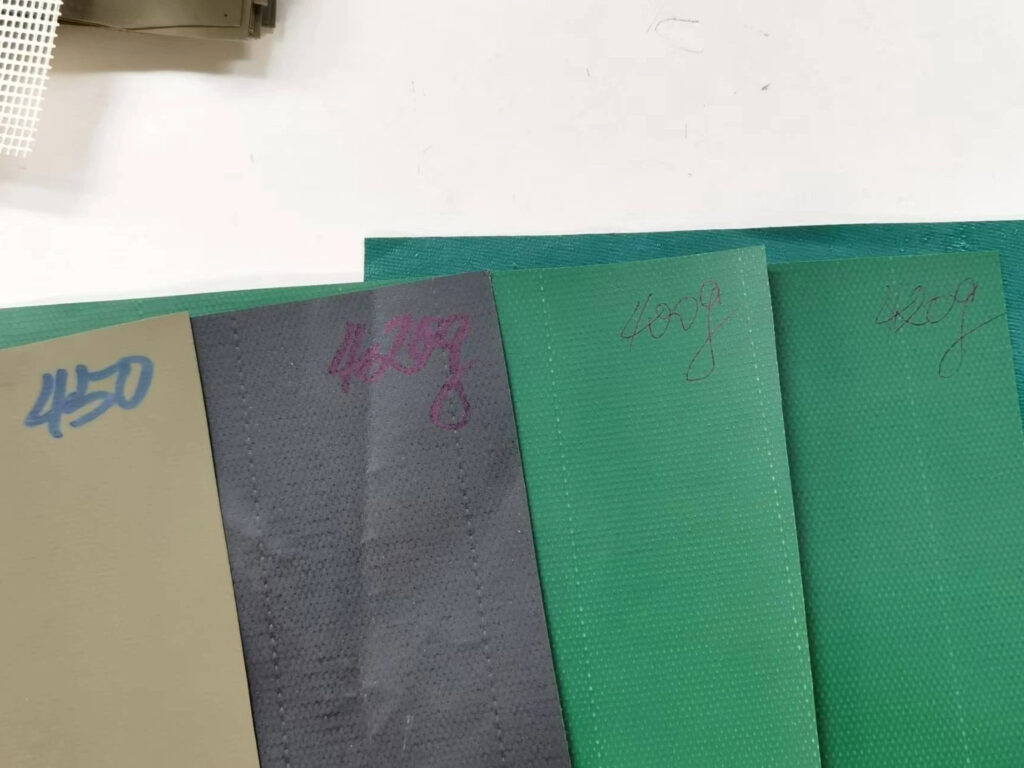
Insulated tarps designed with waterproof outer layers and internal insulation help prevent moisture from entering while maintaining warmth inside. This combination protects cargo quality throughout the journey and minimizes the risk of damage-related losses.
For transport operators, fewer damaged shipments mean improved reliability, stronger customer trust, and reduced long-term costs.
Improve Safety During Winter Transportation
Winter driving conditions already increase safety risks due to slippery roads, poor visibility, and strong winds. Low-quality tarps may become brittle in freezing temperatures, increasing the chance of tearing, loosening, or detaching during transit.
High-quality insulated tarps remain flexible and durable even in sub-zero conditions. Reinforced edges, strong stitching, and secure fastening systems help keep the tarp firmly in place, preventing debris from falling onto the road.
Using reliable insulated tarps not only protects the cargo but also enhances safety for drivers and other road users, reducing the risk of accidents and liability issues.
Lower Energy Consumption and Operating Costs
In cold climates, some transport operations rely on additional heating equipment to protect cargo. This increases fuel consumption and overall operating expenses.
Insulated tarps act as a passive insulation solution, reducing heat loss without the need for extra energy input. By maintaining internal temperatures more effectively, they help lower fuel usage and reduce dependence on active heating systems.
Durable insulated tarps also have a longer service life, meaning fewer replacements and lower maintenance costs over time. This makes them a cost-effective investment for companies operating in winter conditions.
Built for Harsh Winter Environments
Insulated tarps are specifically engineered to perform in extreme weather. They are commonly made with layered structures that combine insulation materials with durable, weather-resistant outer fabrics.
At Feicheng Tongfa, our insulated tarps are designed to withstand snow, ice, wind, and repeated use in demanding transport environments. Features such as reinforced corners, double-stitched seams, and abrasion-resistant surfaces ensure consistent performance throughout the winter season.
This durability allows transport operators to rely on the same tarps year after year, even in the toughest conditions.
Custom Insulated Tarps for Different Transport Needs
No two transport operations are exactly the same. Different truck types, cargo dimensions, and temperature requirements all demand tailored solutions.
Feicheng Tongfa provides custom insulated tarps to match specific applications, whether for flatbed trucks carrying steel and machinery, dump trucks transporting bulk materials, or trailers operating in long-distance winter logistics.
Custom sizing and material selection ensure the tarp fits securely and delivers optimal insulation performance, improving both efficiency and safety.
Conclusion
Cold-weather transportation requires more than basic cargo coverage. Insulated tarps play a vital role in protecting goods from freezing temperatures, moisture, and harsh environmental conditions. They help maintain cargo quality, enhance road safety, and reduce operational costs during winter transport.
By choosing high-quality insulated tarps from Feicheng Tongfa, businesses can ensure reliable performance, long-term durability, and effective protection for cold-weather transportation. Investing in insulated tarps is not just a seasonal necessity—it is a smart strategy for safe and efficient logistics.