
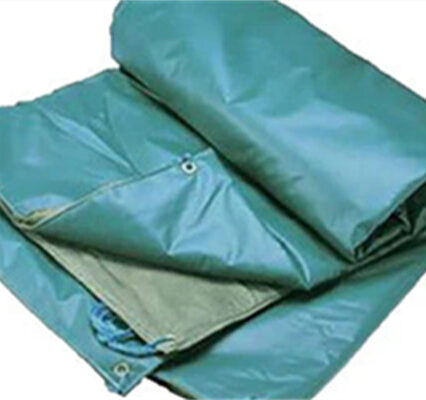
Transporting temperature-sensitive cargo can be challenging when goods are exposed to changing outdoor conditions. During loading, transportation, temporary storage, or delivery, cargo may experience direct sunlight, cold air, wind, or sudden temperature changes. For products that need a more stable surrounding environment, an insulated tarpaulin can provide an additional layer of protection.
Unlike a standard tarp that mainly focuses on covering cargo from rain, dust, and sunlight, an insulated tarpaulin is designed to help reduce the rate of heat transfer. This makes it useful for businesses looking for practical temperature control tarpaulin solutions for transportation and temporary storage.
What Is Insulated Tarpaulin?
An insulated tarpaulin is a multi-layer protective cover designed to provide both weather protection and thermal insulation. Its construction can include a durable outer fabric combined with an insulating layer that helps slow the movement of heat between the cargo and the surrounding environment.
The exact structure varies according to the product and application. However, the basic purpose of thermal insulated tarpaulin is to create a buffer between the cargo and outside temperature conditions.
This does not mean an insulated tarp can replace refrigerated transportation or professional temperature-control equipment. Instead, it can work as an additional protective layer when businesses need to reduce exposure to rapid temperature changes.
How Does Insulated Tarpaulin Reduce Temperature Changes?
Slowing Down Heat Transfer
Heat naturally moves between areas with different temperatures. When cargo is exposed to a hot outdoor environment, heat can gradually move toward the cooler cargo. The opposite can happen when the outside temperature is significantly lower.
The insulating layer in an insulated tarp for cargo transportation helps slow this heat transfer. By reducing the speed at which heat enters or leaves the covered area, the tarp can help create a more stable environment around the cargo.
This is one reason why insulated tarpaulin for temperature-sensitive cargo can be useful during transportation where outdoor conditions are difficult to control.
Reducing Direct Sun Exposure
Solar radiation can significantly increase the surface temperature of exposed cargo. A suitable insulated cover creates a barrier between the load and direct sunlight.
For outdoor transportation, an insulated cargo tarp can therefore provide two levels of protection: the outer material helps shield the cargo from weather and sunlight, while the insulating layer helps reduce the impact of temperature changes.
This can be particularly useful for cargo that may be affected by excessive heat, even when strict refrigerated transport is not required.
Creating a More Stable Cargo Environment
Temperature-sensitive goods do not always require a completely controlled temperature. In some situations, the primary goal is simply to reduce sudden temperature fluctuations.
For example, during loading and unloading, cargo may remain outside for a period of time. An insulated tarpaulin for outdoor storage can help reduce the direct effect of the surrounding weather during these temporary periods.
The effectiveness depends on the tarp construction, insulation material, cargo characteristics, exposure time, and environmental conditions. Proper installation is also important because uncovered gaps can reduce the overall protective effect.
What Cargo Can Benefit from Insulated Tarpaulin?
The right application depends on the material and required protection level. Businesses may consider insulated tarpaulin for transportation when cargo needs additional protection from changing temperatures.
Potential applications can include temperature-sensitive industrial materials, packaged goods, equipment, agricultural products, and other cargo that may be affected by excessive heat or cold.
For logistics companies, an insulated tarp for trucks can provide an additional layer of protection during open transport or temporary outdoor loading conditions. It can also be useful when cargo needs to remain covered between different stages of transportation.
However, buyers should always consider the actual temperature requirements of the cargo before choosing a tarp. Products with strict temperature specifications may require specialized refrigerated or controlled-temperature logistics.
Insulated Tarpaulin vs Standard Tarpaulin
A standard tarpaulin is primarily designed to protect cargo from rain, dust, wind, sunlight, and general outdoor exposure. An insulated tarpaulin adds another function: reducing heat transfer.
This difference makes insulated tarpaulin vs standard tarp an important comparison for buyers. If the main concern is simply keeping cargo dry, a conventional waterproof tarp may be sufficient. If the cargo is sensitive to temperature fluctuations, an insulated construction may provide additional protection.
Therefore, buyers should select the tarp according to the actual transportation environment rather than choosing a product based only on thickness or appearance.
What Should Buyers Consider Before Ordering?
When purchasing heavy duty insulated tarpaulin, buyers should look at several factors. These include the outer fabric, insulation structure, overall dimensions, waterproof performance, reinforcement, fastening system, and expected service conditions.
Cargo size is particularly important. A tarp that is too small may leave exposed areas, while an oversized tarp can be more difficult to install and secure.
For companies with specialized requirements, custom insulated tarpaulin can be produced according to cargo dimensions, truck configuration, covering method, and other application requirements. Businesses purchasing regularly may also look for an insulated tarpaulin manufacturer that can provide consistent specifications for bulk orders.
Why Choose Feicheng Tongfa?
Feicheng Tongfa is a tarpaulin manufacturer and supplier serving customers across transportation, storage, agriculture, and other outdoor protection applications. For buyers looking for an insulated tarpaulin supplier, the company can provide practical solutions based on different cargo protection requirements.
Whether customers need an insulated tarp for trucks, a custom-sized thermal cover, or insulated tarpaulin for bulk purchasing, Feicheng Tongfa can support product selection according to dimensions, material requirements, and intended use.
For B2B customers, working directly with an experienced insulated tarpaulin manufacturer can also make communication about specifications, customization, packaging, and production quantities more efficient.
Conclusion
An insulated tarpaulin works by adding a thermal barrier between temperature-sensitive cargo and the surrounding environment. By slowing heat transfer and reducing direct exposure to sunlight and changing weather, it can help limit temperature fluctuations during transportation and temporary storage.
For businesses that need additional cargo protection without relying solely on a standard tarp, an insulated tarpaulin for transportation can be a practical option. Choosing the right construction, size, reinforcement, and insulation performance is essential.
With experience in tarpaulin manufacturing and customized solutions, Feicheng Tongfa can provide insulated tarpaulin options for customers seeking durable and practical cargo protection.
FAQs
1. What is insulated tarpaulin used for?
Insulated tarpaulin is used to provide weather protection while helping reduce heat transfer around cargo. It can be useful for transportation, temporary outdoor storage, and temperature-sensitive goods.
2. Can insulated tarpaulin keep cargo at a specific temperature?
An insulated tarp can help slow temperature changes, but it does not actively control temperature. Cargo requiring strict temperature conditions may still need refrigerated or specialized temperature-controlled transportation.
3. Can insulated tarpaulin be customized?
Yes. Custom insulated tarpaulin can be made according to cargo dimensions, truck size, covering requirements, reinforcement needs, and other application specifications.