
Cold weather can create serious challenges for industries that rely on outdoor operations, transportation, and storage. Low temperatures, frost, and freezing conditions can damage equipment, weaken materials, and disrupt project timelines. For businesses working in construction, agriculture, logistics, and manufacturing, protecting assets from cold exposure is essential.
One of the most effective and practical solutions is the use of insulated tarps. Designed to maintain stable temperatures and provide thermal protection, insulated tarps help prevent damage caused by extreme cold and frost. In this article, we explore how insulated tarps work, their key benefits, and why they are widely used across industries.
What Is an Insulated Tarp?
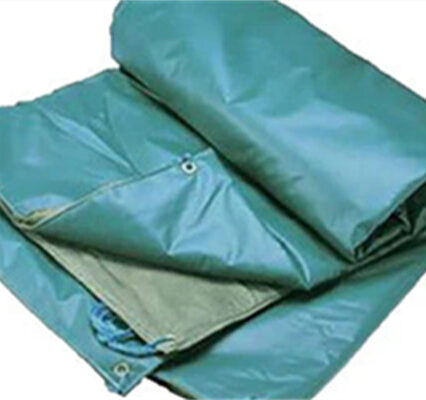
An insulated tarp is a multi-layer protective covering designed to reduce heat transfer and maintain internal temperature. Unlike standard tarps, insulated tarps are made with additional thermal layers such as foam, polyethylene insulation, or other heat-retaining materials.
Typical structure includes:
- Outer waterproof layer for weather protection
- Inner insulating layer to retain heat
- Reinforced fabric for strength and durability
This design allows insulated tarps to act as a barrier against cold air while preserving warmth inside the covered area.
Protection Against Freezing Temperatures
One of the biggest risks in cold environments is freezing. When temperatures drop below zero, water inside materials or equipment can freeze, leading to expansion and structural damage.
Insulated tarps help prevent freezing by:
- Reducing exposure to cold air
- Retaining residual heat from equipment or ground
- Creating a controlled micro-environment under the tarp
This is especially important for:
- Water tanks and pipes
- Concrete during curing
- Stored liquids and chemicals
By maintaining a more stable temperature, insulated tarps significantly reduce the risk of freeze-related damage.
Preventing Frost Damage
Frost can be just as damaging as freezing temperatures. When moisture in the air condenses and freezes on surfaces, it can lead to corrosion, surface damage, and reduced performance of equipment.
Insulated tarps provide protection by:
- Blocking direct contact with cold air
- Reducing condensation buildup
- Acting as a moisture-resistant barrier
This is particularly beneficial for sensitive equipment and materials that require dry and stable conditions.
Maintaining Equipment Performance
Cold weather can negatively affect machinery and tools. Lubricants may thicken, batteries lose efficiency, and metal components become brittle. Insulated tarps help maintain equipment performance by creating a warmer environment.
Common applications include:
- Covering construction machinery overnight
- Protecting generators and engines
- Shielding tools and mechanical parts
By reducing temperature fluctuations, insulated tarps help extend equipment lifespan and reduce maintenance costs.
Essential for Construction Projects in Winter
In construction, cold weather can delay work and affect material quality. For example, concrete requires controlled temperatures to cure properly. If exposed to freezing conditions, it may crack or lose strength.
Insulated tarps are widely used in winter construction to:
- Cover curing concrete
- Protect building materials
- Create temporary heated enclosures
This allows construction projects to continue even in cold climates, improving efficiency and reducing downtime.
Protecting Agricultural Products and Supplies
Farmers and agricultural businesses also rely on insulated tarps to protect crops, feed, and equipment from frost damage.
Typical uses include:
- Covering hay, grain, and feed
- Protecting irrigation systems
- Shielding farming equipment
Maintaining stable temperatures helps preserve product quality and reduces losses during cold seasons.
Ideal for Transportation and Storage
During winter transportation, goods can be exposed to extreme cold for extended periods. Insulated tarps provide thermal protection for temperature-sensitive cargo.
They are commonly used for:
- Covering truck loads
- Protecting industrial materials during transit
- Outdoor storage protection
By reducing heat loss, insulated tarps help ensure that goods arrive in good condition.
Durable and Cost-Effective Solution
Insulated tarps are designed for repeated use in tough environments. Their durable construction ensures long-term performance, even under harsh weather conditions.
Benefits include:
- Long service life
- Reduced equipment damage
- Lower replacement and maintenance costs
For businesses operating in cold regions, insulated tarps are a cost-effective investment.
Why Choose a Reliable Manufacturer?
The performance of an insulated tarp depends heavily on its quality. Poorly made products may not provide sufficient insulation or durability.
Feicheng Tongfa is a professional manufacturer specializing in high-quality tarp solutions. With strong production capabilities and strict quality control, the company provides reliable insulated tarps for various industrial applications.
Feicheng Tongfa offers:
- Durable multi-layer insulated tarps
- Custom sizes and specifications
- Stable supply for bulk orders
- Solutions for construction, agriculture, and logistics
By choosing a trusted supplier, businesses can ensure consistent product performance in demanding environments.
Conclusion
Cold weather and frost pose significant risks to equipment, materials, and operations. Insulated tarps provide an effective solution by maintaining stable temperatures, reducing exposure to cold air, and preventing moisture-related damage.
From construction sites to agricultural storage and transportation, insulated tarps play a critical role in protecting assets and ensuring operational efficiency. For businesses seeking reliable protection solutions, working with experienced manufacturers like Feicheng Tongfa ensures long-lasting performance and dependable results.