
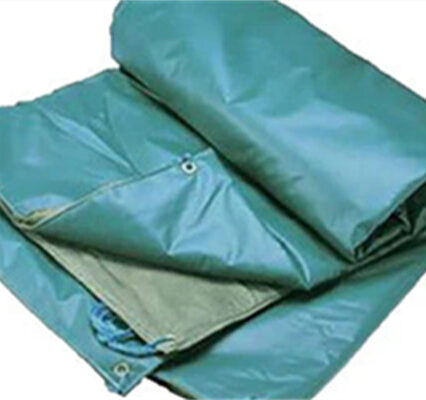

Safety and effectiveness are the highest concerns in modern building ventures. Insulated concrete tarp is one of the innovative products that received widespread acceptance. Insulated concrete tarps provide distinctive benefits through the best curing conditions, protection from adverse weather, and on-site safety enhancement.
What are Insulated Concrete Tarps?
Insulated concrete tarps are durable covers utilized for providing thermal insulation for new concrete pours. They are different from standard tarps as they have insulation layers that retain the heat within, which allows even curing of the concrete regardless of cold or temperature-changing weather. Apart from strengthening the structure, it also saves time and money by preventing temperature-induced delays.
Key Features of Insulated Concrete Tarps
- Thermal Insulation: The greatest benefit of such tarps is that they offer thermal insulation, thereby allowing the concrete to cure at the ideal rate.
- Durability: Constructed of durable materials, insulated tarps are resistant to tearing, puncture, and UV degradation, and are suitable for long-term use.
- Ease of Use: Light in weight and strong, these tarps are simple to install and remove, saving labor time on the job site.
Applications in Construction
Insulated construction tarps are not limited to curing concrete. Their versatility makes them applicable for use in various applications, including:
- Keeping scaffolding and construction sites safe from harsh weather.
- Keeping sensitive building materials from moisture or frost.
- Keeping a safe and controlled area for construction activities.
These applications make insulated construction tarps an indispensable tool for any project that is mindful of ensuring safety and efficiency.
Benefits for Enhanced Safety
Safety on the construction site is of utmost importance. The utilization of insulated construction tarps for enhanced safety has numerous advantages:
- Protection of personnel: In that they create a contained system, the tarps reduce the possibility of slips, falls, and exposure to severe cold or heat.
- Protection of materials: Insulation prevents temperature-induced cracking or deterioration of the concrete and other materials.
- Reduced Environmental Risk: Tarps enable the containment of dust and debris, reducing risk to workers and neighboring communities.
By incorporating additional insulated construction tarps for greater security in planning, companies can demonstrate commitment to occupational health standards and reduce liability exposure.
Choosing the Perfect Insulated Tarps
The choice of an ideal insulated tarp involves taking into account various considerations:
- Size and Coverage: Opt for a tarp that can easily cover concrete slabs or building areas completely.
- Insulation Rating: Check out the thermal rating to determine if it is suitable for your project environment.
- Durability and Material Quality: The material quality guarantees coverage for the longest time, with less expense to replace in the long run.
Also, some tarps are equipped with built-in fasteners or reinforced edges to secure them in place, thus being more convenient for complex building construction.
Conclusion
Application of insulated concrete tarps and insulated construction tarps is a worthwhile investment in the construction industry. Aside from helping concrete cure properly and saving materials, these tarps also improve on-site safety. With high-grade insulated tarps, construction crews can reduce delays on site. They also ensure structural integrity and create a safer, more efficient working environment.
For modern construction projects, tarps for insulated buildings are no longer optional. They are essential tools combining innovation, durability, and safety. Using them leads to better project outcomes.